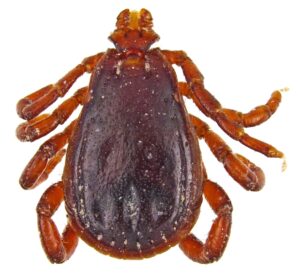
Brown Dog Ticks: How to Identify, Remove, and Prevent Them on Your Dog.
Knowing how to recognize brown dog ticks, remove attached ticks safely, and prevent future infestations can help protect your dog and your household. This guide explains what to look for, where these ticks hide, how to handle an infestation, and which essential supplies may help with tick checks and removal.
Quick Answer: What Should You Know About Brown Dog Ticks?
- Brown dog ticks are reddish-brown to dark brown parasites that feed on dogs and other suitable hosts.
- They may be found around a dog’s ears, neck, head, between its toes, and other areas where ticks can attach.
- Unlike many tick species, brown dog ticks can complete their life cycle indoors under suitable conditions.
- Attached ticks should be removed promptly using fine-tipped tweezers or a suitable tick-removal tool.
- Recurring ticks indoors may require a veterinarian’s advice, environmental treatment, and a consistent prevention plan.
1. What Are Brown Dog Ticks?
The brown dog tick, scientifically known as Rhipicephalus sanguineus, is a hard tick strongly associated with domestic dogs. It is found in many parts of the world and is particularly well known for its ability to survive and reproduce in buildings where environmental conditions are suitable.
Brown dog ticks can feed on dogs during different stages of their life cycle. They may also bite other mammals, including humans, although dogs are their primary host.
These ticks are especially troublesome when they establish themselves in dog bedding, kennel cracks, baseboards, wall gaps, or other protected areas. A dog may be treated for visible ticks, only for new ticks to appear later because immature stages or adult ticks remain in the environment.
Important Distinction
Brown dog ticks are not the only small brown ticks that can attach to dogs. Appearance alone may not be enough to confirm a species. If identification matters for treatment or disease-risk assessment, ask a veterinarian or qualified pest professional to examine a specimen.
2. How to Identify Brown Dog Ticks
Brown dog ticks are generally reddish-brown to dark brown. Their bodies are relatively flat before feeding and become larger, rounder, and more swollen as they take in blood.
Like other hard ticks, they have eight legs during the nymph and adult stages. Tick larvae have six legs, so the number of visible legs can vary with the life stage and how closely the tick can be examined.
Common identifying characteristics
- Color: Usually reddish-brown or brown, sometimes appearing darker after feeding.
- Body shape: Generally oval and flattened when unfed; more rounded and enlarged after a blood meal.
- Size: Small when unfed, with size increasing substantially as the tick feeds.
- Location: Often found on dogs, in kennels, or in sheltered areas around places where dogs rest.
- Pattern of infestation: Repeated sightings on a dog or around its resting area may indicate that ticks are reproducing nearby.
Do Not Rely on Color Alone
Several tick species are brown or reddish-brown. The tick’s size, markings, mouthparts, location, and other physical characteristics may be needed for reliable identification. A photo can help with an initial discussion, but a clear specimen may be more useful to a professional.
Brown dog ticks versus other ticks
| Feature | Brown Dog Tick | Other Tick Species |
|---|---|---|
| Typical color | Reddish-brown to brown | May be brown, black, reddish, or patterned |
| Indoor survival | Well known for establishing indoor infestations under suitable conditions | Many species depend more heavily on outdoor habitats and wildlife hosts |
| Primary host association | Strongly associated with dogs | Varies by species and life stage |
| Identification | May require examination of physical features | May also require expert identification |
This comparison is a general guide, not a definitive identification test. If you suspect a tick-borne disease or a household infestation, consult a veterinarian or qualified pest-control professional.
3. Where Brown Dog Ticks Hide on Dogs
Ticks can attach to many parts of a dog’s body. Some locations are easier to miss during routine grooming, particularly when a dog has a thick coat, long hair, or sensitive skin.
Check these areas carefully
- Inside and around the ears: Gently examine the outer ear and surrounding skin. Do not insert tools into the ear canal.
- Neck and collar area: Remove the collar temporarily and check beneath it.
- Head and muzzle: Look around the cheeks and the skin near the eyes without pressing on the eyes.
- Under the front legs: Check the armpit areas and nearby skin folds.
- Between the toes: Separate the toes gently and inspect the skin.
- Groin and hind legs: Check areas where the coat may conceal an attached tick.
- Under the tail: Examine the surrounding skin gently and respect your dog’s comfort.
Make Tick Checks Part of Grooming
Run your fingers gently through your dog’s coat and look closely at suspicious bumps. Check after outdoor walks, kennel stays, travel, or contact with other animals. Regular checks are useful even when your dog receives a tick-prevention product.
For more detailed removal guidance, read PetGrommer’s guide: How to Remove Ticks From Dogs Safely: A Step-by-Step Guide.
4. Brown Dog Tick Life Cycle
Understanding the brown dog tick’s life cycle helps explain why an infestation may continue even after the visible ticks on a dog have been removed.
Brown dog ticks have four life stages:
- Egg: After feeding and mating, a female lays a large batch of eggs in a sheltered environment.
- Larva: Eggs hatch into six-legged larvae, which seek a host and feed.
- Nymph: After feeding and developing, the tick becomes an eight-legged nymph and seeks another blood meal.
- Adult: Adult ticks feed and reproduce, continuing the cycle.
The time required to complete this cycle depends on temperature, humidity, access to hosts, and other environmental conditions. Under favorable conditions, brown dog ticks can reproduce indoors, making a persistent infestation difficult to resolve without a coordinated plan.
Why One Treatment May Not Be Enough
Removing the ticks you can see does not necessarily eliminate eggs, larvae, or ticks hiding in the environment. Follow the veterinarian’s recommended treatment schedule and address the dog’s resting areas when an infestation is suspected.
5. Are Brown Dog Ticks Dangerous to Dogs?
Yes. Brown dog ticks can cause irritation and blood loss, particularly when numerous ticks feed on the same animal. They can also transmit pathogens associated with tick-borne diseases.
Potential health concerns
- Skin irritation: Tick bites can leave irritated or inflamed areas, and scratching may damage the skin.
- Secondary skin infection: Damaged skin can become infected, particularly if the dog repeatedly scratches or chews the area.
- Blood loss: Heavy infestations can contribute to anemia, especially in puppies, small dogs, or already unwell animals.
- Tick-borne disease: Brown dog ticks can transmit pathogens, including those associated with canine ehrlichiosis and babesiosis in relevant regions.
The diseases associated with a particular tick depend on the tick population and geographic area. A tick bite does not automatically mean that a dog will become infected, but it should not be ignored.
Warning Signs That Need Veterinary Attention
Contact a veterinarian promptly if your dog develops fever, unusual tiredness, loss of appetite, pale gums, weakness, swollen joints, unexplained bruising, or dark or reddish urine after tick exposure.
Seek urgent veterinary care for collapse, severe weakness, breathing difficulty, or pale or white gums. Do not wait for every symptom to appear.
Because signs of tick-borne illness can overlap with other conditions, a veterinarian may recommend an examination and appropriate testing based on your dog’s symptoms and exposure history.
6. How to Remove a Brown Dog Tick From Your Dog
If you find an attached tick, remove it as soon as you can do so safely. Using the correct technique reduces the risk of squeezing the tick or damaging your dog’s skin.
What you need
- Fine-tipped tweezers or a tick-removal tool designed for the type and size of tick.
- Disposable gloves, if available.
- A sealed container or suitable disposal method.
- A suitable pet-safe skin-cleaning product, if recommended for the area.
Step-by-step removal instructions
- Keep your dog still. Ask another person to help gently restrain your dog if necessary. Avoid forcing a frightened or painful dog to remain still.
- Part the fur. Expose the tick and identify where its mouthparts meet the skin.
- Grip close to the skin. With fine-tipped tweezers, grasp the tick as near to the skin as possible without pinching your dog.
- Pull steadily. Apply slow, even, upward pressure. Avoid jerking, twisting with ordinary tweezers, or crushing the tick’s body. If using a dedicated removal tool, follow its manufacturer’s directions.
- Inspect the area. Check whether the tick has been removed and look for continued bleeding, swelling, or signs of infection.
- Dispose of the tick safely. Place it in a sealed container or use another secure disposal method. Avoid crushing it with bare fingers.
- Clean your hands and equipment. Wash your hands and clean the tool appropriately after use.
Never Use These Tick-Removal Methods
- Do not burn the tick or use a hot match.
- Do not apply petroleum jelly, nail polish, alcohol, essential oils, or other substances to make the tick detach.
- Do not squeeze or crush the tick’s body while it is attached.
- Do not dig into your dog’s skin with a needle or sharp object to retrieve mouthparts.
If part of the tick appears to remain in the skin, avoid digging at the area. Ask your veterinarian for advice, particularly if the location is sensitive or the skin becomes inflamed.
What if the tick is near the eye or inside the ear?
Use extra caution around sensitive areas. Do not use tweezers close to the eyeball or insert tools into the ear canal if you cannot see and reach the tick safely.
For eye-area concerns, see Tick on a Dog’s Eyelid: What Owners Should Do. For ear-area guidance, read How to Remove Ticks From a Dog’s Ears Safely.
For a tick that is difficult to reach, deeply attached, or causing significant pain, let a veterinarian handle removal.
7. How to Handle Brown Dog Ticks in Your Home
If you repeatedly find brown dog ticks on your pet, on bedding, or crawling along walls and baseboards, the problem may extend beyond the dog. Brown dog ticks are known for surviving and reproducing indoors under suitable conditions.
Simply removing ticks from your dog’s coat may not be enough if other life stages remain in the environment.
Practical steps to take
- Inspect your dog’s resting areas. Check bedding, crate seams, kennel corners, rugs, and nearby cracks or gaps.
- Wash washable bedding. Follow the item’s care instructions and use the warmest appropriate wash and drying settings.
- Vacuum thoroughly. Pay attention to edges, crevices, carpets, and places where your dog rests. Empty the vacuum contents safely after use.
- Continue checking your dog. Look for ticks daily during an active infestation and follow the veterinarian’s prevention instructions.
- Arrange professional advice if ticks persist. A qualified pest-control professional can help assess whether environmental treatment is needed.
Protect Pets During Environmental Treatment
Never apply household insecticides, garden pesticides, or environmental tick treatments directly to your dog unless the product is specifically approved for that animal and used according to its label. Follow all re-entry and ventilation instructions, and keep pets away from treated areas as directed.
When brown dog ticks are established indoors, a veterinarian and a qualified pest-control professional may need to coordinate the approach. The appropriate plan depends on the severity of the infestation, the building, and which products are legally available for the intended use.
8. How to Prevent Brown Dog Ticks on Dogs
The most effective long-term strategy combines regular inspection with an appropriate tick-prevention product and good management of the dog’s environment.
Choose a suitable veterinary tick preventive
Tick preventives are available in different forms, including oral medications, topical products, and certain collars. The right option depends on your dog’s age, weight, health, lifestyle, and the parasites prevalent in your area.
Ask your veterinarian which products are appropriate for brown dog ticks and how frequently they should be used. Do not assume that every flea product also controls ticks or that every tick product works against every tick species.
Check your dog regularly
Inspect your dog’s coat and skin after outdoor activities, stays in kennels, travel, or contact with other animals. Pay attention to the ears, collar area, toes, and other spots that are easy to overlook.
Keep bedding and resting areas clean
Wash bedding as directed, vacuum resting areas, and inspect crates or kennels. If you have a persistent indoor infestation, cleaning should form part of a wider plan rather than being the only intervention.
Be cautious when introducing other animals
Pets that have stayed in kennels, shelters, boarding facilities, or tick-infested environments may bring ticks home. Inspect newly arrived animals and discuss preventive care with a veterinarian.
Use products according to their labels
Never combine tick preventives or increase their frequency without veterinary guidance. Some products intended for dogs can be dangerous to cats or other animals, and dosing errors can cause poisoning.
Build a Consistent Prevention Routine
- Check your dog’s coat and skin regularly.
- Use a veterinarian-recommended tick preventive on schedule.
- Wash bedding and clean resting areas.
- Record recurring tick sightings and any unusual symptoms.
- Seek professional help if ticks continue appearing indoors.
For a broader comparison of prevention approaches, visit Best Flea and Tick Prevention for Dogs and Recommended Tick Sprays for Dogs.
9. Essential Tick-Removal and Prevention Supplies
Having a few useful supplies on hand makes routine tick checks and safe removal easier. These items serve different purposes: removal tools help with attached ticks, while prevention products are intended to reduce the risk of future infestations when used correctly.
Important: The product categories below are recommendations for what to look for, not confirmation that a specific brand or listing is currently available. Insert the exact product and Amazon affiliate URL you have checked before publishing.
1. Fine-Tipped Tick Removal Tweezers
Fine-tipped tweezers can help you grip an attached tick close to the skin without squeezing its body. Choose a tool with a narrow, precise tip and a comfortable grip.
Best for: Owners who want a simple tool for careful tick removal.
What to check: Tip precision, ease of cleaning, durability, and whether the tool is suitable for small ticks.
2. Dedicated Tick-Removal Tool
A purpose-designed tick-removal tool can be useful for owners who prefer an alternative to tweezers. Different tools work in different ways, so read and follow the manufacturer’s instructions.
Best for: Keeping a dedicated tick-removal tool in a pet first-aid kit.
What to check: The sizes of ticks it accommodates, ease of use, cleaning instructions, and whether it is appropriate for your dog’s coat and skin.
3. Dog-Specific Tick Prevention Product
Depending on your dog’s needs, a veterinarian may recommend an approved oral, topical, or collar-based tick preventive. Product effectiveness and duration vary, so choose based on the label and professional advice rather than marketing claims alone.
Best for: Owners establishing a regular tick-prevention routine.
What to check: Minimum age and weight, approved parasites, dosing interval, warnings, and whether it is appropriate for your dog’s health and other household pets.
4. Washable Dog Bedding
Washable bedding can make routine cleaning easier and help owners inspect their dog’s resting area. Bedding does not prevent ticks on its own, but it can support a broader hygiene and infestation-management plan.
Best for: Dogs that spend a lot of time in a crate, bed, or indoor resting area.
What to check: Washability, durability, appropriate sizing, and the manufacturer’s cleaning instructions.
5. Pet First-Aid and Tick-Check Kit
A small kit can keep essential supplies together for routine checks and minor pet-care tasks. Consider including fine-tipped tweezers, disposable gloves, a small container for a removed tick, and your veterinarian’s contact details.
Best for: Owners who want to keep tick-check supplies organized at home or while travelling.
What to check: Contents, storage case, tool quality, and whether the kit includes items you actually need.
A Safety Note About Tick Sprays
Not every spray is suitable for direct application to a dog. Some products are intended for environmental use only, while certain ingredients can be hazardous to pets or other animals. Check the label carefully, follow all precautions, and ask your veterinarian before using a new treatment.
For more product-related guidance, browse PetGrommer’s recommended tick sprays for dogs and flea and tick prevention guide.
10. When to Contact a Veterinarian
Some tick problems can be managed with prompt removal and appropriate prevention, but certain situations require professional care.
Contact your veterinarian if:
- Your dog has many attached ticks or appears to have a heavy infestation.
- A tick is attached near the eye, deep in the ear, or in another sensitive location.
- You cannot remove the tick safely.
- The bite site becomes increasingly swollen, painful, or infected-looking.
- Your dog develops unusual tiredness, fever, poor appetite, weakness, pale gums, or other concerning symptoms.
- Ticks continue appearing despite the use of a prevention product.
- You are unsure which tick preventive is safe for your dog’s age, weight, health, or other medications.
Tell the veterinarian where the tick was found, when you noticed it, whether your dog has been treated with a preventive, and whether any symptoms have appeared. If you saved the tick, ask whether the clinic would like you to bring it in a secure container.
Frequently Asked Questions About Brown Dog Ticks
1. What does a brown dog tick look like?
A brown dog tick is generally reddish-brown to brown and oval-shaped. It is flatter when unfed and becomes enlarged after feeding. Other tick species can look similar, so color alone is not enough for reliable identification.
2. Can brown dog ticks live inside a house?
Yes. Brown dog ticks are particularly known for their ability to establish indoor infestations when environmental conditions and access to hosts are suitable. They may hide in bedding, kennel crevices, cracks, and other sheltered areas.
3. Can brown dog ticks make my dog sick?
Yes. They can cause irritation, skin problems, and blood loss during heavy infestations. They can also transmit pathogens associated with tick-borne diseases, including canine ehrlichiosis and babesiosis in relevant regions. Contact a veterinarian if your dog develops concerning symptoms after tick exposure.
4. What is the safest way to remove a brown dog tick?
Use fine-tipped tweezers or a suitable tick-removal tool. Grip close to the skin and pull steadily, following the tool’s instructions. Avoid squeezing the tick, burning it, or applying substances intended to make it detach.
5. Should I twist a tick when removing it?
With ordinary fine-tipped tweezers, use steady, even pulling rather than twisting or jerking. If you are using a dedicated removal tool that specifies a different technique, follow its instructions.
6. Why do I keep finding ticks after removing them from my dog?
Repeated sightings may mean that ticks are emerging from the dog’s environment or that the prevention plan needs review. Brown dog ticks can establish indoor infestations, so cleaning, veterinary guidance, and appropriate environmental treatment may all be needed.
7. Can I use household insecticide on my dog?
No. Never apply a household or environmental insecticide directly to your dog unless the product is specifically approved for that animal and is used according to its label. Ask your veterinarian to recommend a suitable treatment.
8. Do tick collars prevent brown dog ticks?
Some collars are designed to control certain ticks, but their effectiveness depends on the product, the tick species, and correct use. Check the label and ask your veterinarian whether a specific collar is suitable for your dog.
9. Can brown dog ticks bite humans?
Brown dog ticks can bite humans, although dogs are their primary host. If you find a tick attached to a person, follow appropriate human tick-removal guidance and seek medical advice if you develop symptoms or have concerns about disease exposure.
10. How can I stop brown dog ticks from returning?
Use a veterinarian-recommended tick preventive consistently, inspect your dog regularly, clean bedding and resting areas, and investigate recurring indoor sightings. Persistent infestations may require professional pest-control assistance as well as veterinary treatment.
Final Thoughts: Protect Your Dog From Brown Dog Ticks
Brown dog ticks deserve attention because they can affect your dog’s skin and health and may establish persistent infestations indoors. Recognizing their general appearance, checking your dog regularly, removing attached ticks carefully, and using suitable preventive products are important parts of responsible pet care.
If ticks keep returning, do not assume that removing the visible parasites has solved the problem. Ask your veterinarian to review your dog’s prevention plan and consider professional help for the environment if an indoor infestation is suspected.
Your Brown Dog Tick Action Plan
- Check your dog thoroughly for attached ticks.
- Remove accessible ticks carefully with an appropriate tool.
- Contact your veterinarian about symptoms, sensitive attachment sites, or preventive treatment.
- Wash bedding and inspect places where your dog rests.
- Investigate recurring indoor ticks instead of relying on removal alone.
Explore more PetGrommer resources:
Recent Content
Engorged Tick on a Dog: How to Identify, Remove, and Prevent It.
An engorged tick on your dog can be alarming, especially when the parasite looks like a swollen gray, brown, or bluish lump attached to the skin. The good news is that you can often remove a single...
Tick Bite Symptoms on Dogs: How to Recognize a Bite and When to Worry
Seeing a tick on your dog can be worrying, especially if you notice a swollen bump, redness, or changes in your pet's behavior. The important thing to know is that a tick bite does not...