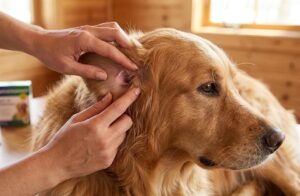
If you have been searching for where ticks hide on dogs, the most important thing to remember is this: do not rely on a quick visual inspection. Run your hands gently through your dog’s coat, part the fur to expose the skin, and inspect the body systematically. Small ticks can be difficult to spot, especially on dogs with long, thick, or dark-colored fur.
9 Places Ticks May Hide on Your Dog: Where to Check and What to Do.
The Centers for Disease Control and Prevention (CDC) recommends checking pets daily for ticks and removing any attached ticks promptly. Dogs can develop tick-borne illnesses, and ticks carried indoors may also expose other household members.
Key Takeaways: Where to Look for Ticks
- Check your dog’s ears, eyelids, collar area, armpits, paws, groin, tail, muzzle, and body folds.
- Feel for small bumps and part the fur to inspect the skin directly.
- Inspect your dog after outdoor activities and make tick checks part of your daily routine.
- Remove attached ticks promptly with a suitable tick-removal tool or fine-tipped tweezers.
- Ask your veterinarian about an appropriate tick preventive for your dog’s age, weight, health, and location.
Recommended first purchase: A quality tick-removal tool is a practical addition to your pet-care kit. It helps you prepare for safe removal, but it does not replace preventive treatment or veterinary advice.
Why Ticks Are Difficult to Find on Dogs
Ticks are small, blood-feeding arachnids. They can attach when a dog brushes against vegetation or enters an environment where ticks are present. Once attached, they may remain in place while feeding.
An unfed tick may be extremely small and flat. As it feeds, its body can become larger and rounder. Its color and size vary by species, life stage, and feeding status.
Thick fur, skin folds, and areas that are difficult to inspect can make detection challenging. A tick may also be mistaken for a skin tag, scab, or small lump.
Although ticks often attach in protected areas, they are not restricted to nine locations. Check the entire body rather than treating this list as exhaustive.
9 Places Ticks May Hide on Your Dog
1. Inside and Around the Ears
The ears are among the most important areas to inspect. Ticks may attach to the outer ear flap, behind the ear, around its base, or in accessible folds of skin.
How to check: Gently lift each ear flap and inspect the front, back, edges, and folds. Look for a small attached bump, a visible tick, or a new area of irritation.
Do not insert tweezers, cotton buds, or other objects blindly into the ear canal. If you suspect a tick deep inside the ear, have a veterinarian examine it.
Warning signs: Persistent head shaking, repeated scratching, ear tenderness, or unusual discharge warrant veterinary assessment.
Ticks Inside or Around the Dog’s Ear?: How to Remove Ticks From a Dog’s Ears: A Safe Step-by-Step Guide
2. Around the Eyelids and Eyes
Ticks may attach to the delicate skin around a dog’s eyes. They can be mistaken for a small skin growth or a dark spot, especially when partly hidden by facial hair.
How to check: In good lighting, inspect the skin around each eye without pressing on the eyeball or pulling forcefully at the eyelid.
Important: A tick on the eyelid margin or close to the eye is best assessed by a veterinarian if removal cannot be performed safely. A sudden movement during removal can injure the eye.
Ticks around the Dog’s Eyelid?: Tick on Dog’s Eyelid: What to Do Safely—and When to See a Veterinarian
3. Under the Collar and Around the Neck
A collar can conceal a tick that would otherwise be easy to spot. The skin beneath the collar may also be overlooked during routine grooming.
How to check: Remove the collar if it is safe to do so. Examine the skin around the neck, beneath the collar, behind the ears, and along the shoulders. Part thick fur in small sections.
Check the skin for attached ticks, unusual bumps, redness, or irritation. Refit the collar properly after the inspection.
4. Under the Front Legs and in the Armpits
The armpits are easy to miss because the front legs cover the skin when a dog stands naturally. Fur and movement can make this area difficult to inspect.
How to check: Gently lift one front leg at a time. Examine the skin where the leg meets the body, including folds and the surrounding chest area.
Look for small bumps, attached parasites, or skin irritation. Never force a leg into an uncomfortable position just to complete the check.
5. Between the Toes and Around the Paw Pads
Dogs encounter vegetation and ground-level debris with their feet. Ticks may attach between the toes, near the paw pads, around the ankles, or on the upper surface of a paw.
How to check: Examine all four paws, gently spreading the toes to see the skin between them. Check around the pads and nail beds without pulling on the toes.
Persistent paw licking, limping, swelling, or sensitivity may indicate a tick or another problem, such as a thorn or skin irritation.
A grooming comb can help separate fur around the feet, but do not drag it across an unidentified bump.
Recommended Guide: How to Check Your Dog’s Paws for Ticks: A Step-by-Step Guide
6. Between the Hind Legs and Around the Groin
The groin is a protected area that can be overlooked during a quick inspection. Ticks may attach where the hind legs meet the body or on nearby skin folds.
How to check: With your dog standing comfortably or lying on its side, inspect the inner thighs and accessible skin around the groin.
Be gentle around the genitals and avoid applying insecticides or tick-removal chemicals to sensitive tissue. If a tick is attached to a delicate or difficult-to-reach area, ask your veterinarian for help.
7. Around the Tail and Beneath the Tail
The tail can hide ticks along its base, underneath it, and within surrounding fur. The skin around the anus may also be overlooked.
How to check: Lift the tail gently and inspect the skin at its base, the underside, and the surrounding area. Part the fur where necessary.
Do not mistake every bump or growth for a tick. If an object is firmly attached and you cannot identify it confidently, seek veterinary advice before pulling it.
8. Around the Lips, Muzzle, and Under the Chin
A dog’s face can come into contact with vegetation as it sniffs, explores, or investigates the ground. Ticks may attach around the muzzle, lips, chin, or jawline.
How to check: Gently inspect the outside of the lips, the chin, and the skin under the jaw. Keep fingers away from the teeth if your dog is uncomfortable.
If you suspect a tick inside the mouth, on the gums, or in another sensitive oral area, contact your veterinarian rather than attempting a difficult removal yourself.
9. Under the Fur, Along the Belly, and Around Skin Folds
Ticks can attach anywhere on the body. The shoulders, chest, belly, flanks, and areas beneath dense fur deserve attention even when you have already checked the commonly missed spots.
How to check: Run your fingers slowly over the body, feeling for unfamiliar bumps. Part the coat down to the skin in small sections, especially where the fur is thick or dark.
Pay extra attention to folds and places where the legs meet the body. A flea comb or suitable grooming brush may help separate the coat, but touch and direct inspection are both important.
How to Check Your Dog for Ticks: A Simple Routine
A consistent routine makes it less likely that you will overlook an area.
- Choose a well-lit location. Let your dog settle in a comfortable position.
- Start at the head. Inspect the ears, eye area, muzzle, and neck.
- Check beneath the collar. Remove it temporarily if appropriate.
- Move down the body. Part the fur over the shoulders, back, chest, and belly.
- Inspect the legs and paws. Check the armpits, groin, toes, and paw pads.
- Finish at the rear. Inspect the tail base, underside of the tail, and accessible surrounding skin.
- Recheck anything unusual. If you cannot confidently identify a bump, do not pull it out blindly.
Check your dog daily, especially after walks or time spent in grassy, wooded, or brushy areas. Ticks may be active in different seasons depending on your location, so ask your veterinarian about year-round prevention.
What to Do If You Find a Tick
Finding a tick does not automatically mean your dog will become ill. The priority is to remove an attached tick promptly and safely, then monitor the bite site and your dog’s health.
Step 1: Use an Appropriate Removal Tool
Use fine-tipped tweezers or a purpose-designed tick-removal tool. Wear disposable gloves if available. Expose the tick by parting the fur so you can see where it attaches.
Step 2: Remove It Carefully
With fine-tipped tweezers, grasp the tick as close to the skin as possible and pull upward using slow, steady pressure. Do not squeeze the tick’s body, jerk it out, or twist it with tweezers.
If you are using a hook or twisting device, follow that specific tool’s instructions. Different designs use different techniques.
Step 3: Clean the Area and Your Hands
Clean the bite site gently with soap and water or a suitable product recommended for dogs. Wash your hands after handling the tick. Do not burn the tick or cover it with petroleum jelly, nail polish, or oils in an attempt to make it detach.
Step 4: Dispose of the Tick Safely
Contain the tick securely and avoid crushing it with bare fingers. If you may need it identified, ask your veterinarian how to store it safely.
Step 5: Monitor Your Dog
Contact your veterinarian if the bite site becomes increasingly red, swollen, painful, or begins discharging fluid. Also seek advice if your dog develops unusual tiredness, fever, reduced appetite, lameness, weakness, or other signs of illness.
5 Unique Tick-Checking and Removal Products to Consider
The following products represent different approaches to tick removal and inspection. They are suggestions for researching useful accessories, not a clinical ranking. Check the current Amazon listing, exact model, materials, instructions, price, and availability before purchasing.
1. ZenPet Tick Tornado Tick Removal Tool
Best for: Owners who prefer a dedicated tick-removal hook.
This tool is designed to help lift attached ticks without gripping the swollen body directly. Learn the correct technique for the particular model before using it on your dog.
Pros:
- Purpose-designed for tick removal.
- Small enough for a pet-care kit.
- Offers an alternative to conventional tweezers.
Cons:
- Requires correct positioning and technique.
- May be difficult to use in sensitive or tightly furred areas.
2. TickCheck Wallet-Sized Tick Removal Card
Best for: Owners who want a compact tool for travel or walks.
A tick-removal card is a portable alternative to larger tools. Its usefulness depends on the tick’s size, the location of attachment, and your ability to position the card correctly.
Pros:
- Compact and easy to carry.
- Convenient for a travel or outdoor kit.
- Provides an alternative to a hook or tweezer design.
Cons:
- May be harder to use between toes or in skin folds.
- Not every card design works equally well on very small ticks.
3. Tweezerman Tick Removal Tweezer
Best for: Owners looking for a dedicated precision tweezer.
A tick-specific tweezer is intended to provide controlled gripping near the attachment point. Check the tip design and follow the manufacturer’s instructions carefully.
Pros:
- Designed for precision gripping.
- Useful for inspecting and removing accessible ticks.
- Offers a different handling option from a plastic hook.
Cons:
- Technique matters; squeezing the tick’s body should be avoided.
- Requires careful cleaning and storage.
4. Tick Twister Tick Removal Tool Set
Best for: Owners who want multiple hook sizes.
Some Tick Twister sets include differently sized hooks intended for ticks of different sizes. Verify the set contents and use the included instructions rather than assuming every hook works the same way.
Pros:
- Multiple sizes may improve versatility.
- Compact for a dedicated tick-care kit.
- Provides a purpose-built alternative to tweezers.
Cons:
- Requires familiarity with the tool’s removal method.
- May not be suitable for every attachment location.
5. Safari Flea Comb for Dogs
Best for: Separating coat hair during routine inspections.
A fine-toothed grooming comb can help you inspect parts of your dog’s coat. It is an inspection aid, not a substitute for a tick-removal device, and it cannot guarantee that all ticks will be detected.
Pros:
- Useful for separating fur during a coat inspection.
- Supports regular grooming.
- Can complement a hands-on tick check.
Cons:
- Does not reliably remove attached ticks.
- Must be used gently to avoid irritating the skin.
How to Help Prevent Ticks on Your Dog
Use a Veterinarian-Recommended Preventive
Tick prevention may involve oral medication, topical treatments, or medicated collars. The best option depends on your dog’s age, weight, health, other household pets, lifestyle, and regional tick exposure. Ask your veterinarian for a product recommendation and follow the label precisely.
Keep Tick Checks Consistent
Check your dog every day and after outdoor activities. Do not stop checking simply because your dog uses a preventive; some products kill ticks after attachment rather than preventing every tick from attaching.
Reduce Exposure Around Your Home
Keep grass maintained, remove leaf litter and brush where practical, and limit access to heavily infested areas. Persistent indoor tick infestations may require coordinated veterinary and professional pest-control advice.
Never Mix Treatments Without Guidance
Do not apply extra doses or combine collars, sprays, and other products unless your veterinarian confirms that the combination is appropriate. Products intended for dogs may be dangerous to cats, and household or garden pesticides should never be applied to a pet unless specifically labeled for that use.
Frequently Asked Questions
Where are ticks most commonly found on dogs?
Common inspection areas include the ears, eyelids, collar area, armpits, between the toes, groin, and tail. Ticks can attach anywhere, so inspect the whole body.
Can ticks hide under a dog’s fur without being noticed?
Yes. Small ticks may be difficult to see, especially on dogs with thick, long, or dark fur. Feel for small bumps, part the coat, and examine the skin directly.
Can a tick hide inside my dog’s ear?
Ticks can attach to accessible areas inside the outer ear and around the ear canal. Do not insert tweezers or other tools blindly. Have a veterinarian assess a suspected tick deep in the ear canal.
Can ticks attach between a dog’s toes?
Yes. Check between every toe and around the paw pads, nail beds, and ankles. Paw licking or limping may indicate irritation or another problem that needs examination.
How often should I check my dog for ticks?
Daily checks are recommended, especially after outdoor activities. Ask your veterinarian about prevention appropriate for local tick activity and your dog’s exposure.
What is the safest way to remove a tick?
Use fine-tipped tweezers or a suitable tick-removal device. With tweezers, grasp close to the skin and pull steadily without squeezing or jerking. Follow the instructions supplied with a specialized removal tool.
Should I worry if I find one tick on my dog?
Finding a tick does not mean your dog will develop an illness. Remove it promptly, inspect the rest of the body, and monitor your dog. Seek veterinary advice if symptoms develop or if the tick is in a sensitive area.
Can ticks in my house affect people?
Yes. Some ticks carried indoors can bite people, and brown dog ticks can establish indoor infestations. If you repeatedly find ticks inside, seek advice on controlling the source.
Do tick-prevention products mean I can stop checking my dog?
No. Preventives can substantially help control ticks, but no routine inspection should be skipped simply because a product is being used. Continue checking your dog and follow veterinary guidance.
Conclusion: Make Tick Checks Part of Your Dog’s Routine
The nine areas in this guide are useful places to start, but ticks can attach anywhere on your dog. Check the ears, eyes, collar, armpits, paws, groin, tail, muzzle, and the rest of the coat every day.
If you find an attached tick, remove it promptly using a suitable method. Do not burn it, squeeze it, or apply household remedies. Contact a veterinarian when the tick is difficult to reach, the infestation is heavy, the bite site worsens, or your dog becomes unwell.
A good tick-removal tool, regular hands-on checks, and an appropriate preventive can help you protect your dog’s health. Consistency matters more than owning a large collection of accessories.
Authoritative Resources for Dog Owners.
Recent Content
How to Check Your Dog’s Paws for Ticks: A Step-by-Step Guide
Your dog may return from a walk looking perfectly clean, but a tiny tick could be hiding between the toes, beside a paw pad, or underneath a patch of fur. Because these areas are easy to overlook,...
Are seed ticks dangerous to dogs? Yes, they can be. A large number of ticks may cause intense irritation, skin damage, and, in severe infestations, blood loss. Depending on the tick...